As Featured In: Malayala Manorama

Gold has never been just a metal for Indians; it is an emotion, a symbol of prosperity, and a reliable financial shield. Recently, there has been a significant shift in how we perceive gold—moving away from just being “ornaments” to becoming a strategic “investment asset.”
In this blog, we explore the journey of gold, its evolving market trends, and why it remains the ultimate hedge against economic uncertainty.
The Historical Journey of Gold
The tradition of gold in India dates back to the Harappan civilization. From the Vedic ages to the Mughal era, gold has been a symbol of purity and status. Even during the British rule, India remained one of the largest consumers of gold in the world. Despite various government restrictions over the decades to control import costs, the Indian demand for gold has never wavered.
The Phenomenal Rise in Gold Prices
If we look at the numbers, the growth of gold value is staggering:
- In 1925, the price of 22-carat gold was approximately ₹1.72 per gram.
- By 2025, that value has soared to nearly ₹11,000 per gram.
- This represents an average annual growth of 9%.
To put it in perspective, if someone had invested ₹2 lakhs in gold in 1925, its value today would be approximately ₹1,000 Crores! This is a testament to the trust Indians place in this precious metal.
Understanding Purity: 18K to 916 (22K)
The way we buy gold jewelry has also evolved. Until 2005, 18-carat gold was popular for ornaments. However, after 2005, there was a massive shift toward 916 (22-carat) gold.
- 24 Karat (100% Pure): Too soft for jewelry; used mainly for bars, coins, and investment purposes.
- 22 Karat (916): Contains 91.6% gold mixed with metals like copper or silver to provide strength. This is the standard for Indian jewelry.
- 18 Karat & Below: Contains 75% gold or less. These are popular for diamond-studded jewelry and are widely used in American and European markets for daily wear.
Gold as a Financial Safety Net
History shows that during every major economic crisis—the oil crisis of the 70s, the 2008 recession, or the 2020 COVID-19 pandemic—gold prices rose as the value of currency fluctuated. For Indian families, gold isn’t just decoration; it is “liquid gold” that can be relied upon during a financial emergency.
Smart Ways to Invest in Gold
If you are looking at gold strictly as an investment, experts suggest:
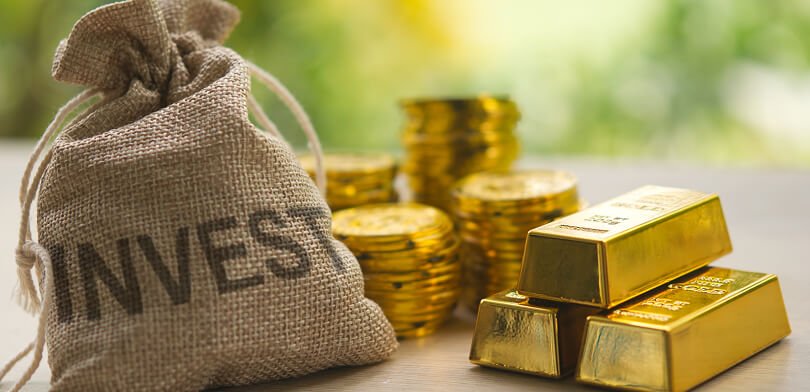
- Gold Coins & Bars: These have lower making charges compared to jewelry and offer higher resale value.
- Digital Gold & SGBs: Modern platforms, blockchain technology, and government schemes like Sovereign Gold Bonds are opening new avenues for paperless gold investment.
- Caution with Loans: While gold is a great asset to pledge for loans, remember that according to RBI policy, you cannot pledge gold coins or bars at non-banking financial companies (NBFCs) for certain types of loans; they are primarily treated as savings.
The Future of Gold
As we move forward, the integration of technology like Blockchain and digital platforms will make gold even more accessible. However, the cultural and social value of gold in India will remain unchanged. Whether as a beautiful ornament or a solid investment, gold will continue to be a pillar of the Indian economy.
“For Indians, gold will always be a blend of tradition, savings, and the most secure investment.” > — K. Krishnakumar, Gold Loan Head, ICL Fincorp.

News Credit: Malayala Manorama (Published: October 6, 2025) Featured Image Source: Malayala Manorama