As Featured In: Economic Times

Artificial intelligence is rapidly transforming banking and financial services. From credit assessment and fraud detection to customer service and risk management, AI is helping financial institutions make processes faster and more efficient.
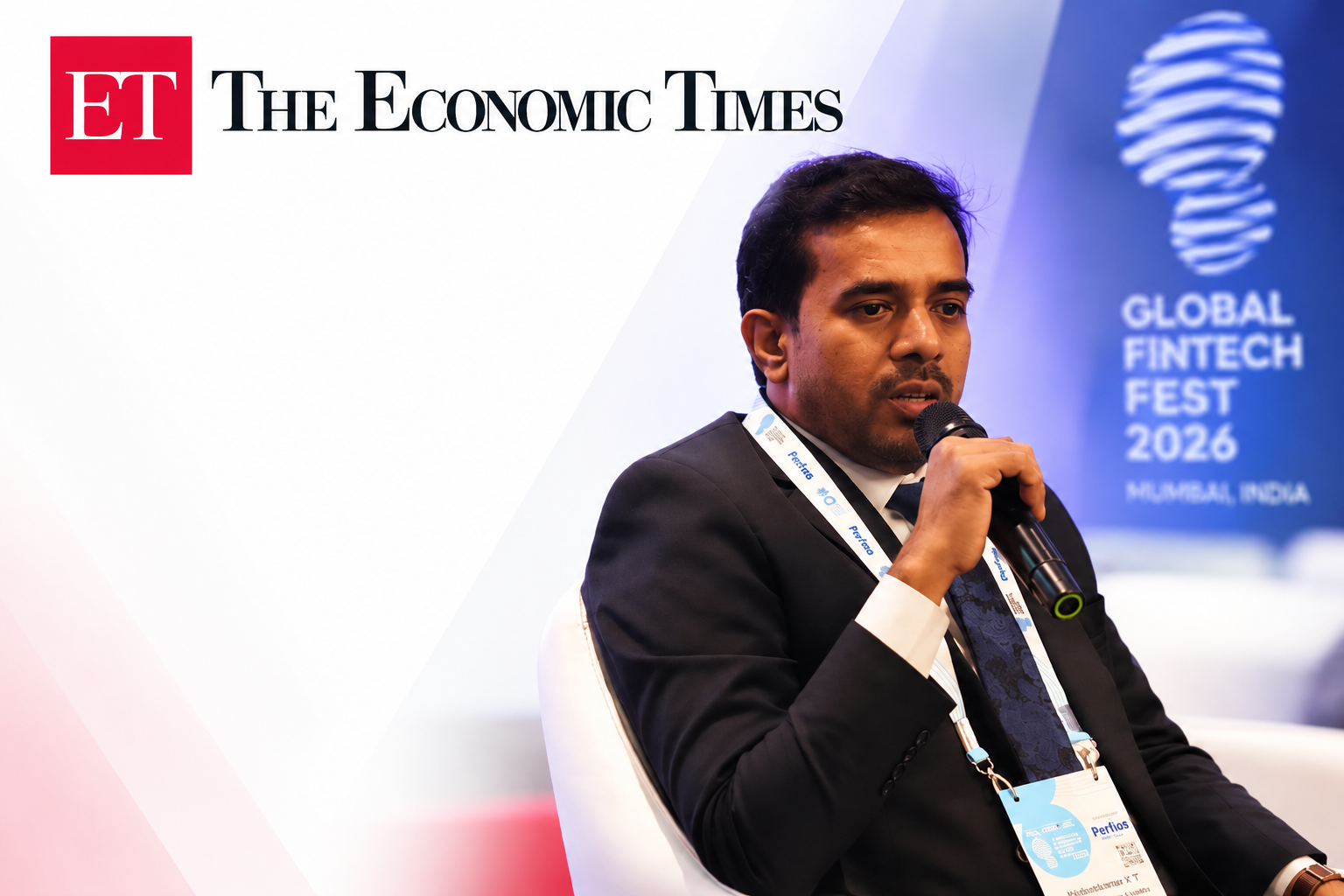
At Global Fintech Fest 2026, I had the opportunity to participate in conversations around the responsible use of AI in financial services. One of my key takeaways was that while AI can support and automate decisions, human accountability must remain at the centre of banking.
Why Human Judgment Still Matters
AI can process large amounts of data, identify patterns and provide valuable insights. However, financial decisions can directly affect individuals and businesses, making transparency, fairness and human oversight essential.
Technology should therefore complement professional expertise rather than completely replace human judgment. Financial institutions need clear processes to review AI-supported decisions and ensure that responsibility remains with people and organisations.
Building a Responsible Future for Banking
As a Business Leader & Entrepreneur in India, I believe responsible AI adoption should focus not only on efficiency but also on customer trust and accountability.
AI can help financial institutions innovate, but strong governance is equally important. As a Financial Advisor & Banking Expert Kerala, I see the future of banking as a combination of intelligent technology and informed human decision-making.
For professionals working as a Financial Advisor in Kerala, understanding this balance will become increasingly important as AI becomes part of everyday financial services.
My biggest takeaway from Global Fintech Fest 2026 is simple:
AI can automate decisions, but accountability cannot be automated.
The future of banking will depend on how effectively we combine AI, human judgment and responsible innovation to create financial services that are both efficient and trustworthy.
Read the full article → Economic Times